Scissors Before Shampoo: Why the Dry Cut Is Britain’s Smartest Winter Hair Appointment
There’s a moment in a lot of salon appointments when you catch your stylist squinting at your hair in the mirror, head tilted, scissors hovering. They’re not being dramatic. They’re reading the hair as it actually falls — the cowlick at the crown, the slightly heavier side, the bit that frizzes the second the hood goes up. In 2026, more UK stylists are deciding that this is the moment to cut, not after a double shampoo and a blow-dry.
That’s the dry cut in a nutshell: shaping the hair in its natural state, before the wash. It isn’t a gimmick or a shortcut. Done properly, it’s a very practical way to deal with British winter hair, grown-out layers and the kind of texture that behaves differently when it’s wet.
What actually happens in a dry-cut appointment
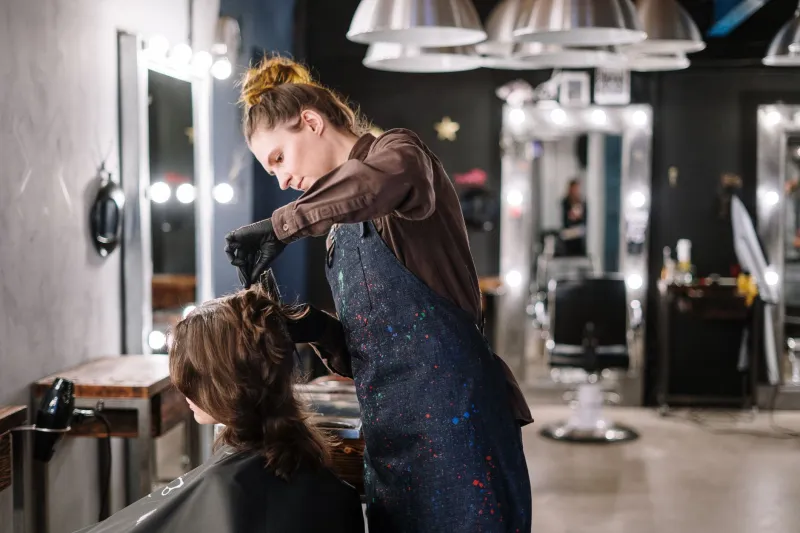
A dry cut starts with a consultation, but a more hands-on one than usual. Your stylist will look at how your hair falls when it’s dry, where it holds volume, where it collapses, and how your parting sits without help. They’ll likely comb it into place, check the weight lines, and cut small sections gradually rather than taking off a big wet chunk and hoping for the best.
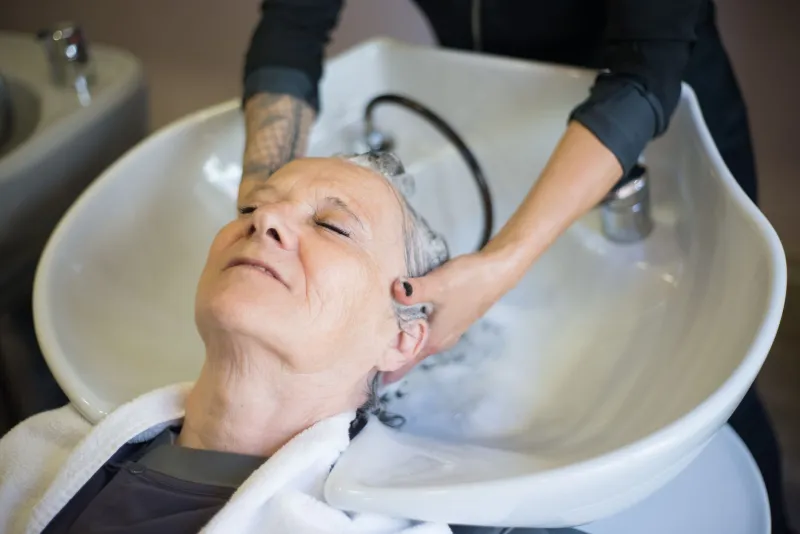
You might be in the chair with unwashed hair — not ideal if you’ve just come from the gym, admittedly, but perfectly normal. Many salons will cut the shape dry first, then shampoo and style afterwards, checking the result once more before you leave. Others may do a hybrid: rough-dry, cut, wash, refine. The point is that the scissors are guided by what your hair does in real life, not just how it looks when slicked down with conditioner.
Why it’s having a moment in the UK
British weather is a brilliant argument for dry cutting. Hair that looks immaculate in a salon chair can turn into a cloud the moment you step onto a damp pavement. If your stylist only ever cuts your hair wet, they’re working with a version of your hair that you rarely see at home. A dry cut lets them account for shrinkage, frizz and the way your hair dries at the back of your head — especially in winter, when central heating and woolly hats are doing their best to ruin the shape.
It’s also helpful for anyone growing out a cut. Grown-out layers can be sneaky: they look one way when wet and quite another when dry. Cutting dry means your stylist can see where the old shape is sitting and remove weight without chopping into the length you’re trying to keep. For clients who are nervous about losing length, that visibility is reassuring.
Who the dry cut tends to suit
Wavy, curly and coily hair is the obvious beneficiary. Curls shrink, spring and change direction as they dry, so cutting them wet can be a bit of a lottery. A dry cut lets the stylist follow the curl pattern and create a shape that works with your texture rather than against it.
It’s also a strong option if you have cowlicks, a stubborn parting, or hair that sits differently on each side. Those quirks aren’t flaws — they’re just the facts of your head — and a dry cut works with them. If you wear your hair naturally most days, or you’re after a low-maintenance shape that still looks intentional, it’s worth asking about.
What a dry cut cannot fix
Let’s be clear: a dry cut is not a magic wand. It won’t change your texture, make fine hair thicker, or repair split ends that have already travelled up the shaft. It can’t correct a colour job that’s gone off-piste, and it won’t make a heavily layered cut look seamless if the underlying shape needs more serious work.
It’s also not always the right choice for very precise, slick, blunt shapes where the hair needs to be cut wet for accuracy. Some stylists prefer to cut wet for strong one-length bobs or sharp fringes, then refine dry. That’s not a cop-out — it’s just matching the method to the job.
And if your hair is extremely tangled or product-heavy, your stylist may recommend a quick cleanse first so they can see what they’re working with. A dry cut should still be a clean, controlled appointment, not a wrestling match.
How to ask for one without derailing your appointment
Keep it simple. When you book, say you’re interested in a dry cut and ask if that’s something your stylist offers. Not every salon works this way, and that’s fine — but more UK salons are adding it to their skill set, especially those who specialise in curls and natural texture.
At the consultation, explain what your hair does on a normal day. Mention the frizz, the cowlick, the fact that your left side has a mind of its own. Bring a photo if you have one, but be honest about how much styling you’ll actually do at home. A dry cut works best when your stylist knows the real-life version of your hair, not the polished one you manage once a month.
If you’re unsure, ask for a hybrid appointment: cut dry, wash, then refine. It gives you the best of both worlds and takes the pressure off getting it perfect in one go.
The wash-and-check finish
A good dry cut usually ends with a wash and a proper look at the finished shape. Your stylist may tweak a few pieces once the hair is clean and dried, especially around the face or the crown. That final check matters. It’s where the dry cut proves its worth — you’re not leaving with a shape that only works in the chair. You’re leaving with something that behaves in real life, on a real British street, in real winter weather.
So if your next appointment has you fretting about frizz, cowlicks or layers that have lost their way, it’s worth asking the question. Scissors first, shampoo later — it might be the most sensible hair decision you make this season.