Please, No Pleasantries: The Quiet Luxury of a Chat-Optional Salon Visit
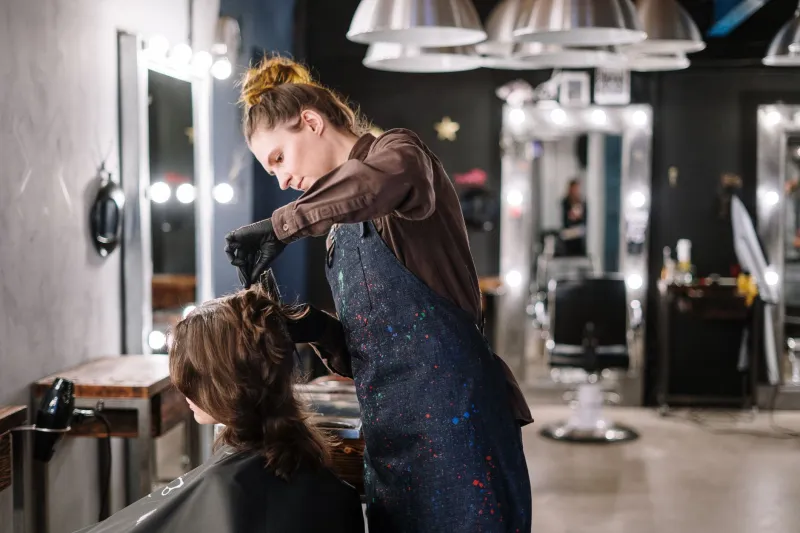
There’s a particular kind of tiredness that comes with sitting in a salon chair when you’ve spent all day being pleasant. You’ve answered emails, navigated the office kitchen, perhaps negotiated a toddler into a coat. Then you sit down, cape around your shoulders, and the small talk begins. For some clients, that’s part of the fun. For others, it’s the emotional equivalent of a second shift.
That’s where the chat-optional appointment comes in. Not a vow of silence, not a cold shoulder, and definitely not a ban on laughing at the stylist’s jokes. Just a clear, agreed-upon permission to say less. In 2026, it’s shaping up to be one of the most sensible upgrades a UK salon can offer — less gimmick, more good manners.
The chair can feel louder than the salon
British politeness has a lot to answer for. Many of us will happily endure forty minutes of weather chat, train complaints and vague questions about our weekend rather than risk seeming rude. The result is a strange sort of social hangover: you leave with great hair and a slight feeling of having performed for an hour.
For some clients, that performance is genuinely exhausting. Social anxiety, neurodivergence, hearing differences, language confidence, chronic illness, caring responsibilities or simply a long week can all make light conversation feel heavier than it looks. A low-chat appointment doesn’t pathologise any of that. It just acknowledges that the salon chair is a service environment, and clients should be able to choose how much they talk.
What a low-chat appointment actually looks like
It isn’t a silent disco with scissors. A good chat-optional visit still includes a proper consultation, clear explanations at key moments, and enough warmth to feel human. The difference is that conversation becomes purposeful rather than continuous.
In practice, it might look like this:
- A booking note that says ‘low-chat appointment, please’ or ‘happy to talk through the cut, then quiet’.
- A five-minute consultation at the start covering shape, colour, timings and any concerns.
- A simple signal — a card, a hand gesture or just a pre-agreed phrase — that means ‘I’m happy to sit quietly now’.
- A stylist who narrates the important bits: ‘I’m adding the toner now’, ‘we’ll be at the basin in ten minutes’, ‘have a look and tell me if the length feels right’.
- No pressure to restart the chat, but no frostiness if you do.
The key is that quiet never means ignored. You should still feel looked after, checked on and consulted. The appointment should feel calm, not clinical.
The awkward bit: how to ask
The fact that clients need a script for this says a lot. Asking for less conversation can feel like rejecting the stylist personally, especially in a UK salon where everyone is programmed to be nice. But most stylists would far rather know than spend an hour wondering whether you’re bored, upset or simply deeply interested in the middle distance.
Try keeping it practical and friendly: ‘I’d love a low-chat appointment today — happy to talk through the colour, then I’ll probably zone out.’ Or, if saying it out loud feels like too much: ‘Could we keep the chat light today? I’m a bit peopled-out.’
Online booking notes are your friend here. A short line in the appointment notes does the awkward bit for you. And if you’re the sort of person who apologises three times before asking for a glass of water, please know this is not a big ask. It’s a preference, not a complaint.
Why it’s an inclusivity upgrade, not a cold shoulder
The best salon services are not one-size-fits-all. We already ask about allergies, previous colour, heat damage and budget. Asking about conversation style is simply another layer of personalisation.
For a neurodivergent client, a predictable low-chat appointment can make the difference between booking and avoiding the salon altogether. For someone with hearing loss, it can remove the exhausting guesswork of lip-reading over a hairdryer. For a new parent, it can be the only hour of the week when nobody needs anything from them. For a client who stammers or feels self-conscious about their English, it can be a relief not to fill every pause.
That’s not anti-social. It’s pro-choice. And in 2026, choice is a luxury clients increasingly expect — even from something as everyday as a cut and blow-dry.
Making it work without losing the salon buzz
The risk, of course, is overcorrecting. A salon that goes too quiet can feel strange, like a library with a diffuser. The atmosphere should still have life in it: music at a sensible volume, a warm greeting, the odd bit of chat between stylists, and a clear sense that clients who do want to natter are welcome to natter.
Salons can make low-chat appointments feel normal by offering them as a standard option rather than a special request. A simple checkbox at booking — ‘chatty’, ‘happy either way’, ‘quiet please’ — removes the awkwardness entirely. Stylists can then adjust naturally, rather than treating the appointment like a solemn vow.
The best version of this is not a silent salon. It’s a salon where silence is allowed. Where you can talk about the weather if you want to, or say nothing at all and still get exactly the same standard of care.
The quiet luxury bit
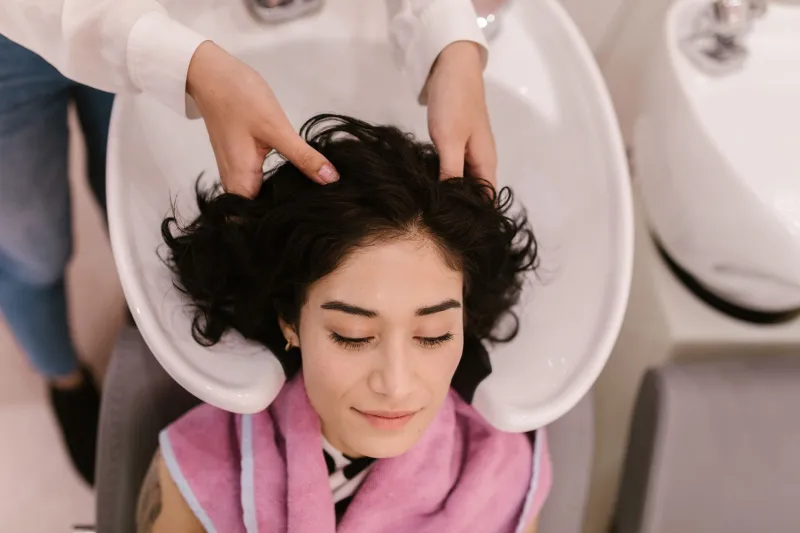
Luxury in a salon used to mean a fancy coffee, a scalp massage and a head massage that makes you forget your own name. Those things are lovely. But there’s something even more luxurious about not having to perform. About sitting in the chair, letting your shoulders drop, and knowing you won’t be judged for being a bit quiet.
For 2026, that might be the most grown-up upgrade of all: a salon visit that gives you good hair and leaves your social battery intact. No pleasantries required. Just a proper consultation, a decent cup of tea and permission to say nothing at all.