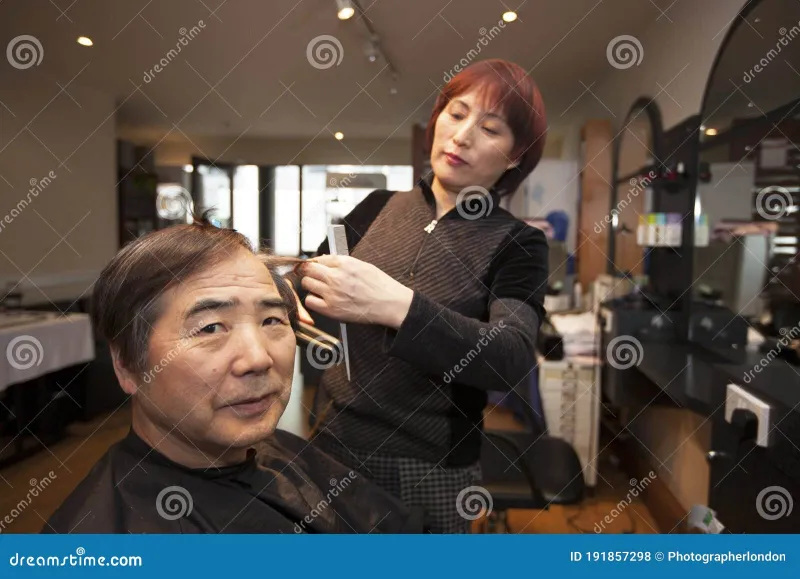
The Diary vs the Ends: Why Your Haircut Keeps Sliding Down the List
There is a particular kind of client who books a haircut, moves it once, moves it again, then finally arrives with ends that have gone past 'a bit dry' and into 'let us not talk about it'. We see you. We are not judging you. In fact, the scissor-shy club is one of the largest quiet groups in any UK salon — and the reasons behind it are usually far more sensible than they sound.
It is rarely about the hair
When someone cancels a cut, the easy explanation is that they are too busy. The honest explanation is often a mix of things: length anxiety, cost, diary chaos, and a small but powerful fear of sitting in the chair and being talked into something they did not ask for. None of that makes you a difficult client. It makes you a normal person with a full calendar and a healthy instinct to protect something you like about yourself.
Length anxiety is the big one. If you have spent months growing out a fringe, a layer or a bob, the idea of losing progress can feel more urgent than the idea of gaining shape. Cost matters too — a cut is not just the appointment, it is the time off, the travel, the parking, and the temptation to add a colour top-up while you are there. And diary chaos is real. A six-week appointment can feel impossible when your weeks are already stacked with work, family and the general admin of being a person in Britain in 2026.
The trap of waiting for 'unsalvageable'
Most postponed cuts follow the same pattern. You notice the ends first. Then the shape starts to go. Then you convince yourself you will book when things are less busy, which is a bit like waiting for the sea to be less wet. By the time you call, you are no longer booking a maintenance appointment. You are booking a rescue.
That rescue appointment is harder on everyone. It takes longer. It usually costs more. And it makes the conversation in the chair feel heavier, because you are trying to solve three months of grown-out shape in one sitting. The irony is that the cut you were avoiding often becomes the cut you end up needing — just with more urgency and less choice.
Name the thing before you book
A clearer consultation starts before you sit down. When you book, tell the salon what you are actually worried about. 'I want a trim but I am nervous about losing length' is useful information. 'I am not sure what I want, but I do not want a big change' is also useful. You are not being fussy. You are giving your stylist the brief they need to make the appointment feel manageable.
At Scissors Hair Salon, we would rather hear the real concern at booking than discover it halfway through a blow-dry. If length is the issue, say so. If cost is the issue, ask what a maintenance appointment looks like rather than assuming every visit has to be a full restyle. If you are short on time, ask whether an off-peak slot or a quicker shape refresh is possible. A good salon will work with you, not against you.
Learn the maintenance vocabulary
A lot of scissor-shyness comes from not having the right words. 'Just a trim' can mean anything from a dusting to a full restyle, which is why some clients avoid saying it altogether. Try being more specific:
- Dusting: a tiny amount off the very ends, usually to keep them feeling clean without changing the shape.
- Micro-trim: a slightly more deliberate clean-up, still focused on the ends rather than the overall length.
- Perimeter tidy: neatening the outline of the cut — useful for growing-out bobs and fringes.
- Shape refresh: restoring the internal layers or face-framing pieces so the cut sits properly again.
- Point-cut ends: softening the finish rather than taking length off in a straight line.
The more precise you are, the less room there is for the dreaded 'I thought you meant...' moment. You do not need to know the technical names for everything. You just need to be clear about what you want to keep.
Build a rhythm you can actually keep
A booking rhythm should fit your hair, not a generic rule from the internet. Short cuts often need a tighter schedule to hold their shape. Longer layers can sometimes stretch further with a good home routine. A fringe may need its own mini-appointment between full cuts. The right interval is the one that keeps your cut looking intentional without making you feel like you live at the salon.
One practical trick: book the next appointment before you leave. Not because you have to, but because it removes the diary decision from the version of you who is busy, tired and convinced it can wait another fortnight. If your salon offers reminders, use them. If you prefer a quieter chair, ask about off-peak times. If you know payday is tight, choose a date that works with your budget rather than pretending the cost will sort itself out.
The appointment that breaks the cycle
The cut that breaks the cycle is rarely the most dramatic one. It is the one where you feel in control. You know what you are asking for. You know what you are protecting. You know roughly when you will be back. That is not boring — it is sustainable.
So if your last appointment is a distant memory and your ends are staging a quiet protest, start small. Book a consultation or a maintenance cut. Say what you are nervous about. Ask for the shape to be tidied, not transformed. You do not need to chop it all off to get back on track. You just need one appointment that feels like a reset rather than a reckoning.