The Bathroom-Bottle Reset: A Calm Route Back to Salon Colour
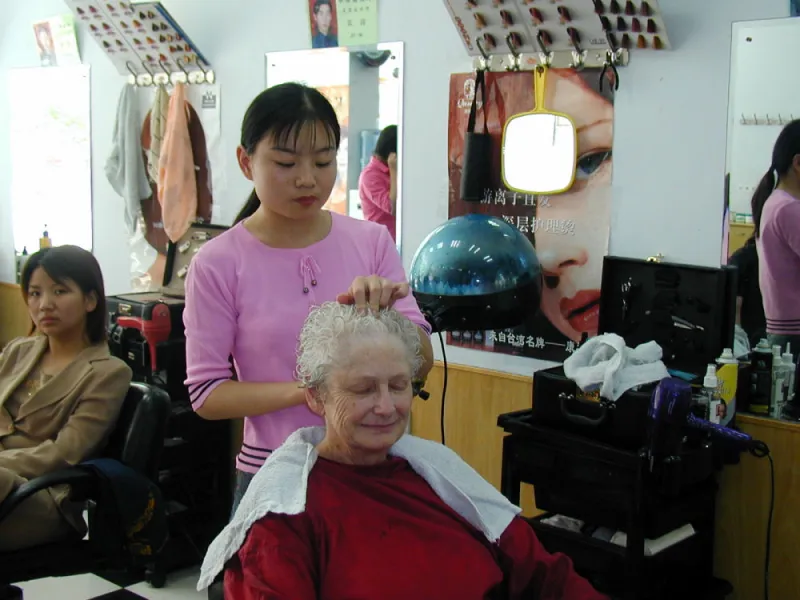
Photo: hairdresser colour consultation with client in UK salon, hair colour swatches and notes, via www.paulnoll.com
There’s a particular silence that follows a box dye. Maybe the shade came out darker than the picture. Maybe it grabbed in patches. Maybe it looked fine for a fortnight and then went brassy at the edges. Whatever happened, booking a salon appointment can feel less like self-care and more like handing in homework you know is wrong. It doesn’t have to. A colour rescue is not a tribunal. It’s a plan.
Start With the Boring Details, Not the Apology
Before you book, gather the facts. Not the feelings — the facts. Which brand and shade did you use? When? How many boxes? Did you apply it roots-first, all over, or in a panic at 11pm? Did you use anything else — a root touch-up spray, a colour-depositing mask, a home bleach kit, henna? If henna or a henna-based colour is part of the story, say so early. It genuinely changes what a colourist can safely do and how they’ll plan the appointment.
You don’t need to arrive with a spreadsheet. A photo of the box, a rough date and an honest description of what you did is enough. The point isn’t to audit your bathroom cabinet. It’s to give your colourist a map of the hair they’re about to work on.
The Fifteen-Minute Confession
At Scissors Hair Salon, the consultation is where the rescue really starts. This is the bit where you tell the truth — not because your colourist is keeping score, but because home colour leaves clues. A colourist can often see banding, patchiness or a darker mid-length, but they can’t see the whole history. The difference between ‘I used a box’ and ‘I used two boxes of shade X six weeks ago, then touched up my roots with a different brand’ is the difference between a guess and a plan.
Be specific about timing, too. Colour that was applied last week behaves differently from colour that has been growing out since August. If you’ve been using a purple shampoo daily, mention that. If you’ve had a home gloss or a colour-depositing conditioner, mention that as well. None of it is a confession. It’s information.
Why Home Colour Rewrites the Recipe
Salon colour isn’t paint. You can’t simply brush a lighter shade over a darker one and expect an even result. Home colour adds layers of pigment, and those layers can sit unevenly depending on porosity, application and the product itself. Your colourist is working with a canvas that already has a history — and that history affects how the new colour lifts, deposits and fades.
Sometimes the plan is to even out the tone and blend the roots. Sometimes it’s to soften a hard band where a previous colour stopped. Sometimes it’s to add depth back into mid-lengths that have gone flat. A good colourist will explain the order of play: what can be done today, what needs to settle, and what might be better in a second appointment. That isn’t a sales tactic. It’s chemistry with a calendar.
What One Session Can Realistically Do
A single appointment can often make home colour look intentional again. It can tone down brassiness, blur a patchy root area, add shine and make the overall colour feel richer and more blended. It can give you a result that looks like a choice rather than an accident.
What it may not do is turn a box-dyed mid-brown into a clean platinum blonde in one sitting. Lifting through layers of home pigment can be unpredictable, and pushing too hard in one session risks compromising the hair. A realistic colourist will tell you that before they start, not after. If your heart is set on a big transformation, ask what the two-appointment version looks like — and what the in-between stage will feel like.
The Calendar Is Part of the Colour Plan
If you have a big date, a birthday or the 2026 party season in the diary, work backwards. Book the consultation first — ideally two to three weeks before the event — so your colourist can see the hair in person and plan properly. Then book the colour appointment with a buffer. Ten to fourteen days before an event is usually more forgiving than 48 hours before. That gap gives the colour time to settle and gives you time to live with it.
Don’t forget the patch test if your colourist asks for one. It’s a small bit of admin that protects the bigger appointment. And if you’re booking a rescue before a big night out, resist the urge to add a last-minute gloss or root spray the day before. Let the salon result have its own moment.
Aftercare: The Bit That Keeps the Rescue Looking Rescued
Once you’re out of the chair, the rescue still needs looking after. Wait a couple of days before washing if your colourist advises it. Use a colour-safe shampoo, keep the water cooler than you’d like, and don’t overdo the heat styling. If your hair feels drier than usual after home colour, mention it at the consultation — your colourist can build a bond or conditioning step into the plan rather than letting you guess.
A colour rescue is not about being told off. It’s about handing over the history, trusting the plan and giving the hair time to get where you want it. The bathroom bottle got you here. The salon chair gets you further.